
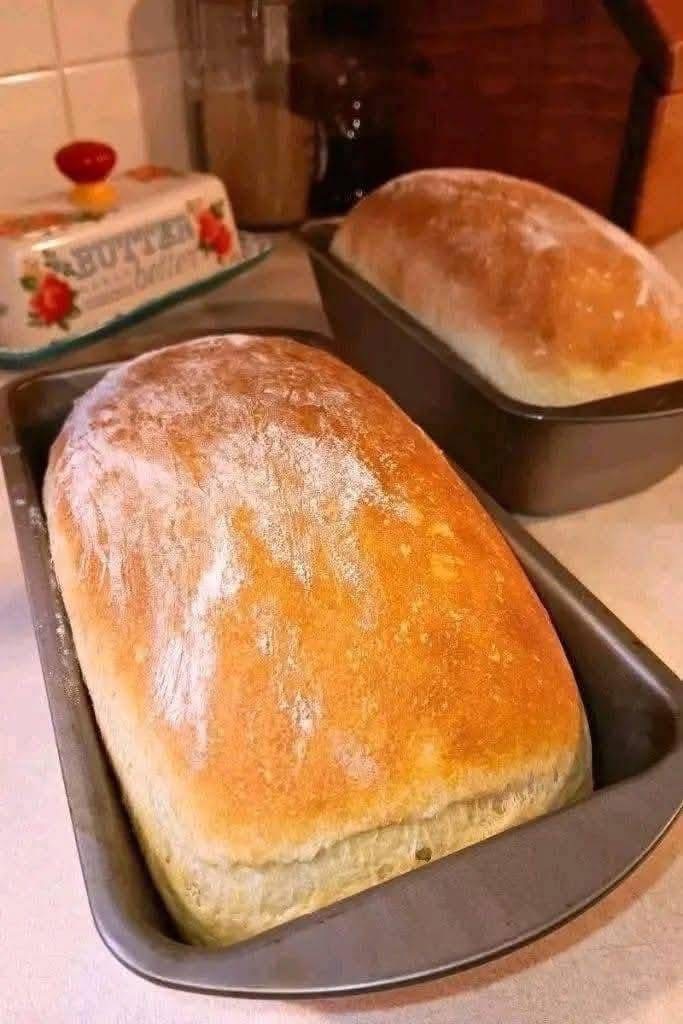
Brilliant No-Knead Bread Recipe
🌸 Introduction
No-knead bread is a revolution in home baking. With just a few ingredients, patience, and an oven, you can create bakery-quality artisan bread without kneading, mixers, or complicated techniques. This bread develops a crisp golden crust, an airy crumb, and a deep flavor through long fermentation. It’s perfect for beginners and seasoned bakers alike.
🥖 Ingredients
- 3 cups (360 g) all-purpose flour (or bread flour for extra chew)
- 1 ½ tsp salt
- ½ tsp instant yeast (or active dry yeast)
- 1 ½ cups (360 ml) warm water
- Extra flour for dusting
- Olive oil or butter (optional, for greasing)
📝 Instructions
Step 1: Mix the Dough
- In a large bowl, combine flour, salt, and yeast.
- Pour in warm water and stir with a wooden spoon until shaggy dough forms.
- Cover with plastic wrap or a clean towel.
Step 2: First Rise
- Let dough rest at room temperature for 12–18 hours. It will double in size and form bubbles.
Step 3: Shape the Dough
- Lightly flour a surface and turn out the dough.
- Fold dough gently into a ball (don’t knead).
- Place on parchment paper and cover for 30–60 minutes to rise again.
Step 4: Preheat the Oven
- Place a Dutch oven (or heavy pot with lid) inside oven and preheat to 450°F (230°C) for at least 30 minutes.
Step 5: Bake
- Carefully transfer dough (with parchment) into the hot Dutch oven.
- Cover with lid and bake for 30 minutes.
- Remove lid and bake another 15–20 minutes until golden and crusty.
Step 6: Cool & Serve
- Place bread on a wire rack to cool for at least 30 minutes before slicing.
🔨 Methods
- Mixing Method: Only stir until combined.
- Long Fermentation Method: The yeast and time do all the work.
- Dutch Oven Method: Creates steam, giving the bread a crisp crust.
- Resting Method: Essential for gluten development and airy texture.
📜 History
The no-knead bread method was popularized in the early 2000s by Jim Lahey, a New York baker, and later made famous by Mark Bittman in The New York Times. This approach simplified artisan bread-making, removing the need for kneading while relying on time and hydration to develop gluten. It became a cornerstone for home bakers worldwide.
🌱 Benefits
- Effortless: Minimal work, maximum reward.
- Healthier: Fewer preservatives than store-bought bread.
- Cheaper: Just flour, water, yeast, and salt.
- Versatile: Customize with herbs, seeds, or dried fruit.
- Bakery quality at home: Crusty outside, fluffy inside.
🏗 Formation
- Flour + Salt + Yeast → base of the dough.
- Water → hydrates, activates yeast, creates gluten.
- Time → fermentation develops flavor and texture.
- Dutch Oven Heat → traps steam, makes crisp crust.
Result: A rustic loaf with airy crumb and chewy crust.
❤️ Lovers of No-Knead Bread
- Beginners: Simple enough for first-time bakers.
- Busy people: Just mix, rest, bake.
- Families: A homemade loaf to share at the table.
- Foodies: Love artisan flavor and rustic style.
- Traditional bread lovers: Crusty, chewy, hearty.
🔨 Methods (Revisited)
- Mix gently → don’t overwork dough.
- Let time work → 12–18 hours fermentation.
- Bake in Dutch oven → steam equals golden crust.
- Cool completely → keeps crumb soft and sliceable.
🏁 Conclusion
Brilliant No-Knead Bread proves that baking doesn’t need to be hard to be amazing. With just four ingredients and a little patience, you can make a loaf that rivals artisan bakeries. It’s rustic, flavorful, and utterly satisfying.
❤️ Final Lovers & Conclusion
This recipe is for lovers of simplicity, lovers of crusty bread, lovers of homemade comfort, and lovers of food that brings people together.
✨ Each slice of No-Knead Bread is more than just food—it’s a celebration of patience, tradition, and the joy of homemade baking